Synthetic pentadecapeptide (Gly-Glu-Pro-Pro-Pro-Gly-Lys-Pro-Ala-Asp-Asp-Ala-Gly-Leu-Val) derived from human gastric juice protein; modulates VEGFR2 internalization, FAK–paxillin adhesion signaling, and eNOS phosphorylation.
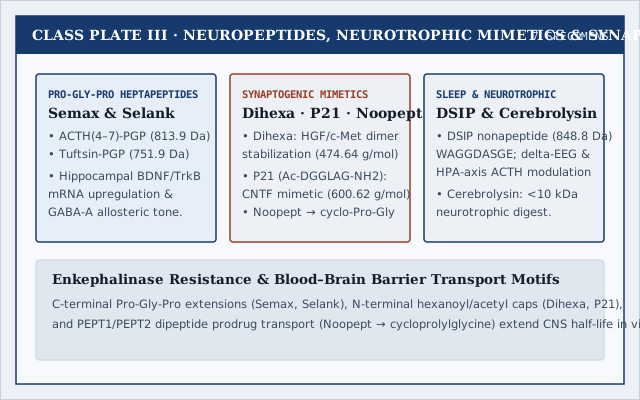
Amphiphilic nonapeptide (WAGGDASGE) originally isolated from cerebral venous blood; investigated for slow-wave delta EEG modulation and corticotropin (ACTH) stress-axis attenuation.
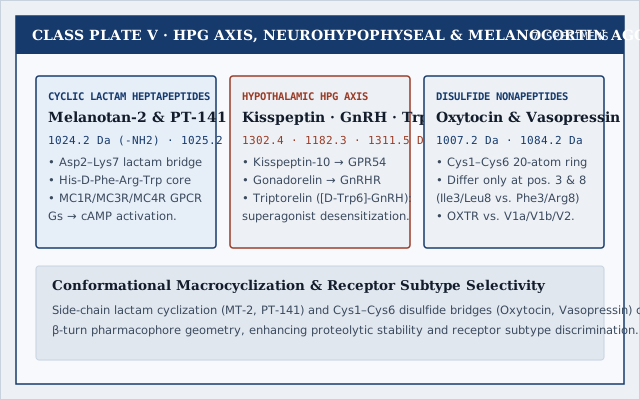
Native hypothalamic decapeptide with an N-terminal pyroglutamyl ring; stimulates anterior pituitary gonadotroph LH and FSH synthesis when delivered in physiological pulses.
Methylated hexapeptide secretagogue (His-D-2-Me-Trp-Ala-Trp-D-Phe-Lys-NH2); binds both pituitary GHS-R1a and cardiovascular CD36 receptors in ischemia-reperfusion models.
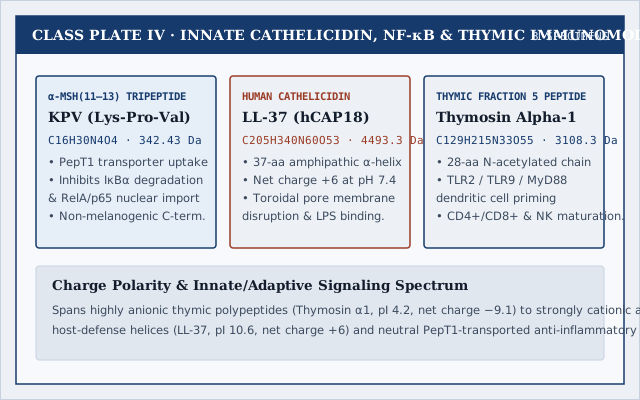
C-terminal tripeptide of α-melanocyte-stimulating hormone (Lys-Pro-Val); transported intracellularly via PepT1 to inhibit IκBα degradation and NF-κB p65 nuclear translocation without pigmentary MC1R agonism.
Sole human cathelicidin-derived 37-residue cationic amphipathic α-helical peptide (LLGDFFRKSKEKIGKEFKRIVQRIKDFLRNLVPRTES); disrupts bacterial membranes via toroidal pore formation and neutralizes LPS.
Cyclic lactam heptapeptide α-MSH analog with an Asp2–Lys7 bridge and D-Phe core; non-selective agonist across MC1R, MC3R, MC4R, and MC5R coupled to Gs/cAMP signaling.
Mechano Growth Factor · IGF-1Ec C-terminal fragment
Record
24-residue C-terminal E-domain splice peptide (YQPPSTNKNTKSQRRKGSTFEERK) generated from alternative splicing of the IGF1 transcript under mechanical strain; activates quiescent muscle satellite cells.
Peptidomimetic proline-containing dipeptide ester absorbed via intestinal PEPT1 and biotransformed into endogenous neuropeptide cyclo-L-prolylglycine; modulates AMPA currents and HIF-1α.
Synthetic CNTF-derived neurotrophic peptide analog (Ac-DGGLAG-NH2); inhibits LIF/STAT3 signaling and GSK-3β activity to promote dentate gyrus neurogenesis and synaptic plasticity.
Carboxylate C-terminal analog (-Lys-OH) of Melanotan 2; exhibits nanomolar agonist affinity at central MC4R and MC3R receptors activating hypothalamic paraventricular oxytocin-dopamine circuits.
Synthetic heptapeptide analog of ACTH(4-10) devoid of steroidogenic activity; upregulates hippocampal and cortical BDNF/TrkB mRNA expression and modulates dopaminergic and serotonergic turnover.
Thymosin Beta-4 (17-23) Fragment · Ac-Leu-Lys-Lys-Thr-Glu-Thr-Gln
Record
Synthetic N-acetylated heptapeptide fragment corresponding to the active actin-binding domain (Ac-LKKTETQ, residues 17–23) of Thymosin Beta-4; modulates G-actin sequestration, endothelial cell migration, and tissue remodeling.
Full-length 44-residue human GHRH analog stabilized with an N-terminal trans-3-hexenoyl moiety conferring DPP-IV resistance; studied in visceral adipose tissue and hepatic lipid models.
5135.85 g/mol
CAS 901758-09-6 / 218949-48-5 · C221H366N72O67SFull Monograph
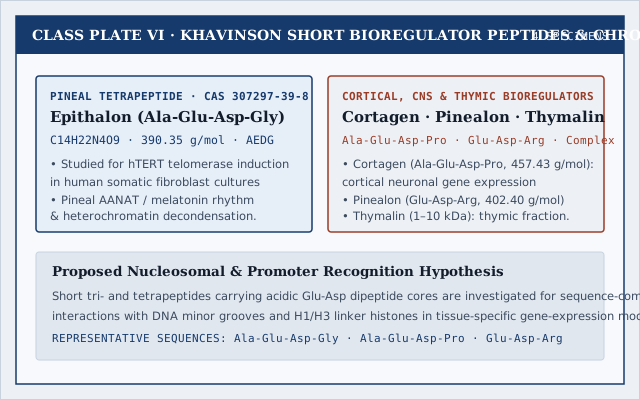
Low-molecular-weight polypeptide complex extracted from mammalian thymus tissue containing short immunoregulatory peptides; studied for T-cell differentiation and thymic immune modulation.
— (Polypeptide complex)
CAS — / 68907-53-9 · Thymic polypeptide complexFull Monograph
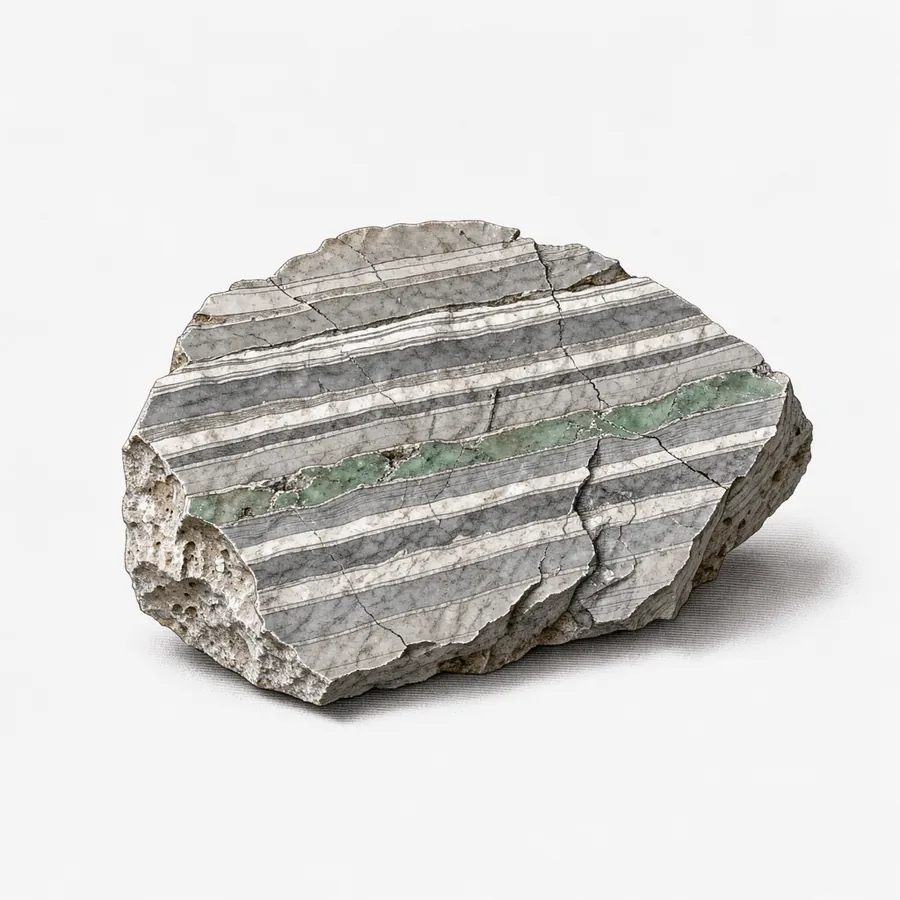
Plate 01 · Lyophilized Peptide Specimens & Spectrophotometric Reference: Synthetic peptides are isolated as lyophilized acetate or trifluoroacetate cakes and verified by C18 reversed-phase HPLC-UV (214 nm) and electrospray ionization mass spectrometry prior to experimental reconstitution.
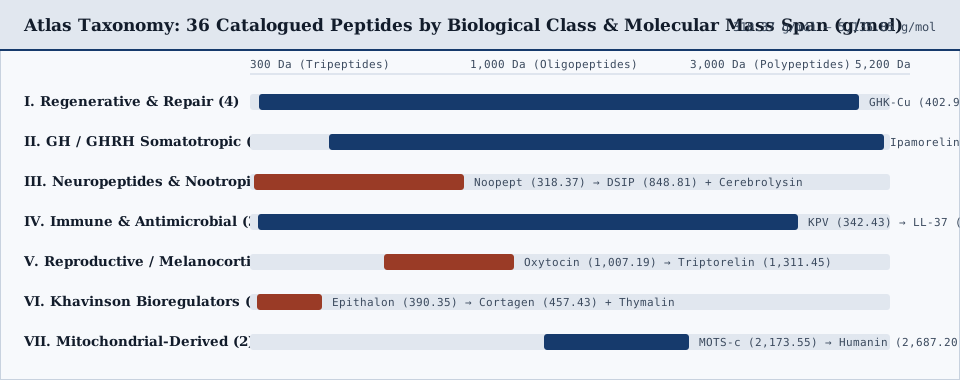
Plate 02 · Molecular Mass & Structural Taxonomy: Distribution of the 36 catalogued monographs across seven functional signaling classes, spanning short Khavinson bioregulators (390.35–457.43 g/mol) to stabilized 44-residue GHRH analogs (5,135.85 g/mol).
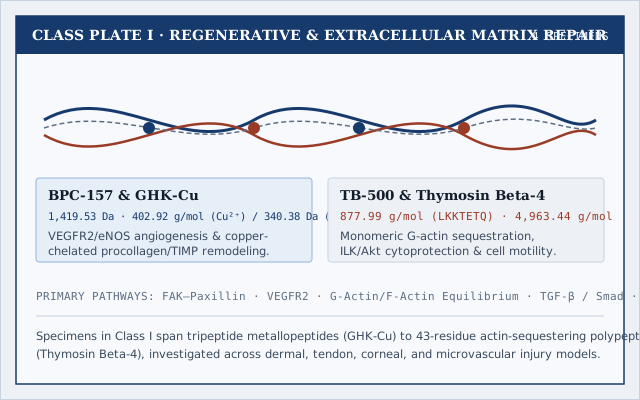
Tissue Repair & Regenerative Peptides
Peptides investigated in preclinical and translational models of angiogenesis, fibroblast migration, monomeric G-actin sequestration, and metallopeptide-regulated extracellular matrix remodeling.
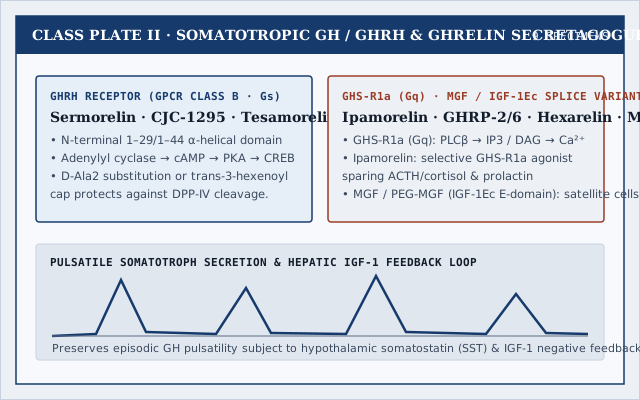
Growth Hormone Secretagogues & Somatotropic Axis
Truncated and stabilized growth hormone-releasing hormone (GHRH) analogs acting via Gs-coupled GHRH receptors, alongside synthetic peptidyl ghrelin mimetics targeting Gq-coupled GHS-R1a receptors and IGF-1 splice variants.
Neuropeptides & Cognitive Research Peptides
Enkephalinase-resistant heptapeptides (Pro-Gly-Pro C-terminal extensions), HGF/c-Met and CNTF mimetics, dipeptide prodrugs, and hypothalamic delta-EEG nonapeptides.
Cyclic lactam heptapeptide melanocortin receptor agonists (MC1R/MC3R/MC4R), hypothalamic GPR54 and GnRHR decapeptides, and posterior pituitary disulfide-bridged nonapeptides.
Bioregulator Peptides (Khavinson)
Short tri- and tetrapeptides (Ala-Glu-Asp-Gly, Ala-Glu-Asp-Pro, Glu-Asp-Arg) and low-molecular-weight thymic polypeptide fractions investigated for chromatin remodeling, telomerase regulation, and tissue-specific gene expression.
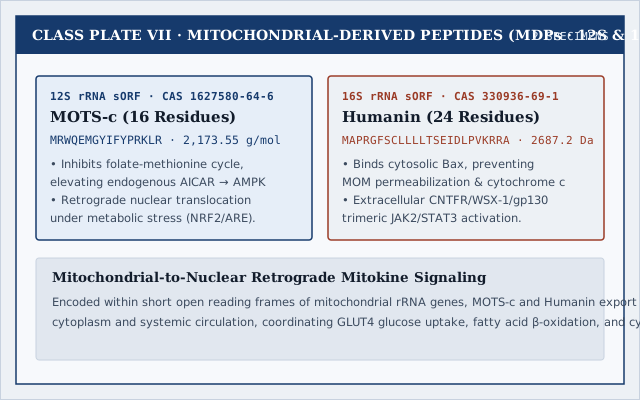
Mitochondrial-Derived Peptides
Bioactive peptides translated from short open reading frames (sORFs) embedded within the mitochondrial 12S and 16S ribosomal RNA genes that coordinate cellular bioenergetics and retrograde nuclear stress signaling.
Analytical Characterization Standards & FDA Regulatory Reference
Synthetic research peptides vary in batch quality depending on solid-phase peptide synthesis (SPPS) coupling efficiency, preparative RP-HPLC fractionation, and counterion exchange. Peptide Biologix evaluates compound characterization against six analytical disclosure criteria detailed in our Vendor Analytical Comparison:
Lot-Specific Certificate of Analysis (COA): Each physical vial lot should be accompanied by a certificate naming the analytical laboratory, acquisition date, and batch identifier rather than a static template sheet.
Reversed-Phase HPLC-UV Purity vs. Net Peptide Content: Chromatographic purity (typically ≥98.0% peak area at 214 nm) measures peptide homogeneity relative to peptidic impurities, whereas net peptide content (determined by amino acid analysis, elemental nitrogen, or quantitative UV/gravimetry) accounts for bound counterions (acetate or trifluoroacetate) and residual Karl Fischer moisture in the lyophilized cake.
Electrospray or MALDI-TOF Mass Spectrometry: Confirms that the observed multiply charged ion envelope ([M+H]⁺, [M+2H]²⁺, [M+3H]³⁺) matches the theoretical monoisotopic or average molecular weight of the target sequence.
2026 FDA Bulk Drug Substance (503A/503B) Context: FDA's page current as of April 22, 2026 lists AOD-9604, BPC-157, CJC-1295, DSIP, epitalon, GHK-Cu (injectable routes), KPV, LL-37, melanotan II, MOTS-c, PEG-MGF, selank, semax, TB-500, thymosin alpha-1, and dihexa as nominated but withdrawn. Remaining in Category 2 on that page are GHRP-2 and GHRP-6 (503B), ipamorelin acetate (503B; also appears in the withdrawn table), and kisspeptin-10 (503A). All monographs in this atlas are maintained strictly for laboratory and analytical reference.